𝗚𝗿𝗮𝗽𝗵 𝗥𝗲𝗽𝗿𝗲𝘀𝗲𝗻𝘁𝗮𝘁𝗶𝗼𝗻: A 𝗖𝗼𝗺𝗺𝗼𝗻 𝗠𝗶𝘀𝗰𝗼𝗻𝗰𝗲𝗽𝘁𝗶𝗼𝗻𝘀 For graph representation, we all know that there are two main way to represent a graph. (𝘛𝘩𝘦𝘳𝘦 𝘢𝘳𝘦 𝘧𝘦𝘸 𝘮𝘰𝘳𝘦 𝘸𝘢𝘺𝘴 𝘵𝘰 𝘳𝘦𝘱𝘳𝘦𝘴𝘦𝘯𝘵 𝘨𝘳𝘢𝘱𝘩)
𝗔𝗱𝗷𝗮𝗰𝗲𝗻𝗰𝘆 𝗠𝗮𝘁𝗿𝗶𝘅
𝗔𝗱𝗷𝗮𝗰𝗲𝗻𝗰𝘆 𝗟𝗶𝘀𝘁
We were taught that 𝗔𝗱𝗷𝗮𝗰𝗲𝗻𝗰𝘆 𝗟𝗶𝘀𝘁 is memory efficient from space complexity perspective than 𝗔𝗱𝗷𝗮𝗰𝗲𝗻𝗰𝘆 𝗠𝗮𝘁𝗿𝗶𝘅. (Not true in worst case)
But how? let's see,
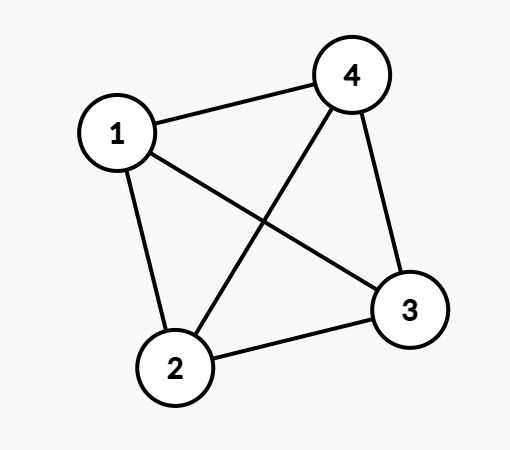
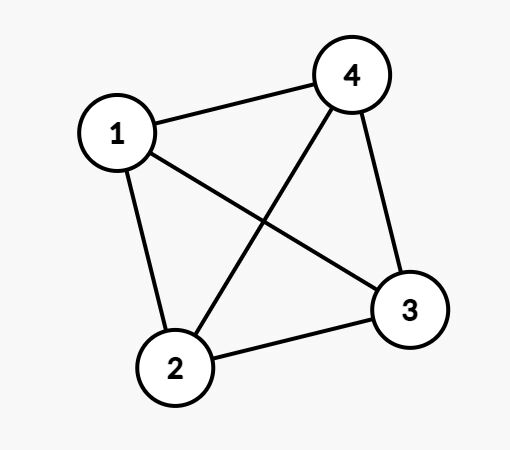
We have a graph G of 𝙣=𝟰 vertices and we have edges 𝙣(𝙣-𝟭)/𝟮 = 𝟲 (maximum possible edge). If we store this graph using 𝗔𝗱𝗷𝗮𝗰𝗲𝗻𝗰𝘆 𝗠𝗮𝘁𝗿𝗶𝘅, we will have simply a matrix representation like below.
  𝟭  𝟮  𝟯  𝟰
--------------
𝟭| 𝟬  𝟭   𝟭   𝟭
𝟮| 𝟭  𝟬   𝟭   𝟭
𝟯| 𝟭  𝟭   𝟬   𝟭
𝟰| 𝟭  𝟭   𝟭   𝟬
which takes at most 𝙣^𝟮 (𝟭𝟲𝗯𝗶𝘁𝘀 𝗳𝗼𝗿 𝗻=𝟰)
_____________________________________________
But what if we represent the same graph using 𝗔𝗱𝗷𝗮𝗰𝗲𝗻𝗰𝘆 𝗟𝗶𝘀𝘁?
How it will looks like?
Showing below
𝟭: 𝟮, 𝟯, 𝟰
𝟮: 𝟭, 𝟯, 𝟰
𝟯: 𝟭, 𝟮, 𝟰
𝟰: 𝟭, 𝟮, 𝟯
Here we can see each vertex has (𝙣-𝟭) 𝗻𝗲𝗶𝗴𝗵𝗯𝗼𝘂𝗿𝘀 (𝗳𝗼𝗿 𝙣=𝟰, 𝗻𝗲𝗶𝗴𝗵𝗯𝗼𝘂𝗿𝘀 𝗶𝘀 𝟯), so for 𝙣 neighbors its 𝙣(𝙣-𝟭) bits of space (𝗳𝗼𝗿 𝙣=𝟰, 𝟰𝙭(𝟰-𝟭)=𝟭𝟮 𝗯𝗶𝘁𝘀 and for each vertex requires 𝙡𝙤𝙜𝟮𝙣 bits to represent itself.
So the total memory required is 𝙣(𝙣-𝟭)𝙡𝙤𝙜_𝟮𝙣
𝟭𝟮+𝙡𝙤𝙜_𝟮(𝟰) = 𝟮𝟰𝙗𝙞𝙩𝙨 𝙛𝙤𝙧 𝙣=𝟰
_____________________________________________
From the above example, we can say 𝗔𝗱𝗷𝗮𝗰𝗲𝗻𝗰𝘆 𝗟𝗶𝘀𝘁 takes more space than 𝗔𝗱𝗷𝗮𝗰𝗲𝗻𝗰𝘆 𝗠𝗮𝘁𝗿𝗶𝘅, which is 𝙣^𝟮𝙡𝙤𝙜_𝟮𝙣 > 𝙣^𝟮.